Factors that Contributing to the Implementation of Kangaroo Mother Care by Midwives in Kirkuk City Hospitals
Keywords:
Contributing factors, Kangaroo Mother Care, MidwivesAbstract
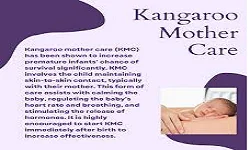
Background: Kangaroo Mother Care (KMC) is an evidence-based technique that significantly decreases newborn mortality and morbidity, especially in LBW and preterm newborns. Direct skin-to-skin contact between the mother or caregiver and the baby is made possible by this efficient, straightforward, culturally acceptable, and emotionally helpful newborn care technique. Despite its proven effectiveness, the implementation of the KMC is influenced by several institutional factors, such as the availability of resources, infrastructure, and the existence of explicit clinical protocols and standards. Aim: This study aimed to identify the factors contributing to the implementation of Kangaroo Mother Care among nurses and midwives in hospitals in Kirkuk City.Methods: A cross-sectional descriptive study was carried out. The study was carried out in Kirkuk City's hospitals. The method employed was non-probability purposive sampling. 163 nurses and midwives participated in the study. A standardized questionnaire that was self-administered was used to gather data. Both descriptive and inferential statistics were used in the analysis of the data using SPSS version 26.Results: The results indicate the important factors that facilitate the successful utilization of KMC. One of the most consistently rated items was mentorship and supervision by experienced clinicians (95.7%). Other key factors mentioned were administrative support (91.4%), in-service training (91.4%), and the personal belief in KMC's clinical value on the part of staff (91.4%). In addition, a moderate positive association between nurse midwives’ knowledge and perceiving contributing factors in KMC (r = .491, P =.000). Conclusion: The study concludes that there are contributing factors. The factors mentioned were administrative support, in-service training, and the personal belief in KMC's clinical value on the part of staff. The findings also underscore structural factors and incorporating KMC into hospital policies as important elements for successful implementation.
Downloads
References
Al Mutair, A., Almutairi, W., Aljarameez, F., Kay, E., Rabanal, R., Abellar, K., Napaod, A., Hawsawi, A., Saha, C., & Ahmed, G. Y. (2023). Assessment of nurses’ knowledge, attitude, and implementation of skin‐to‐skin care within the perinatal setting in Saudi Arabia: Survey study. Nursing Open, 10(4), 2165–2171.
Al-Shehri, H., & Binmanee, A. (2021). Kangaroo mother care practice, knowledge, and perception among NICU nurses in Riyadh, Saudi Arabia. International Journal of Pediatrics and Adolescent Medicine, 8(1), 29–34.
Altit, G., Hamilton, D., & O’Brien, K. (2024). Skin-to-skin care (SSC) for term and preterm infants. Pediatrics & Child Health, 29(4), 238–245.
Cai, Q., Chen, D.-Q., Wang, H., Zhang, Y., Yang, R., Xu, W.-L., & Xu, X.-F. (2022). What influences the implementation of kangaroo mother care? An umbrella review. BMC Pregnancy and Childbirth, 22(1), 851
Chan, G., Bergelson, I., Smith, E. R., Skotnes, T., & Wall, S. (2017). Barriers and enablers of kangaroo mother care implementation from a health systems perspective: A systematic review. Health Policy and Planning, 32(10), 1466–1475.
Ekholuenetale, M., Onikan, A., & Ekholuenetale, C. E. (2020). Prevalence and determinants of mother and newborn skin-to-skin contact in The Gambia: A secondary data analysis. Journal of the Egyptian Public Health Association, 95(1),
Esewe, Roselynd E.; Phetlhu, Rene D. (2022). Challenges of uptake of kangaroo mother care by parents of preterm and low-birth-weight infants in Edo State, Nigeria.
Foong, W. C., Foong, S. C., Ho, J. J., Gautam, D., Leong, J. J., Tan, P. Y., & Baskaran, M. (2023). Exploring factors influencing the uptake of kangaroo mother care: Key informant interviews with parents. BMC Pregnancy and Childbirth, 23(1), 706.
Downloads
Published
How to Cite
Issue
Section
License
Copyright (c) 2026 Hind Ali Raji, Dr. Rabab Hamody Hanon

This work is licensed under a Creative Commons Attribution 4.0 International License.
Current Clinical and Medical Education